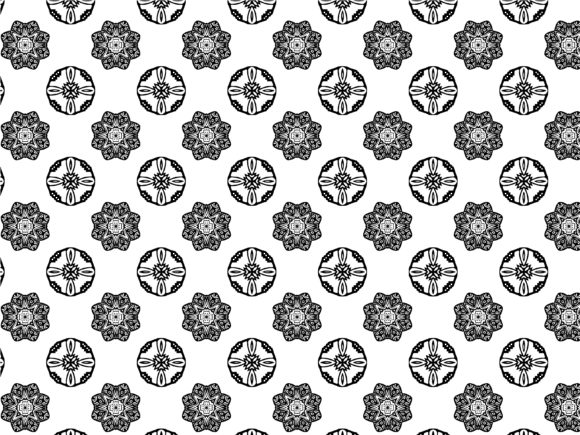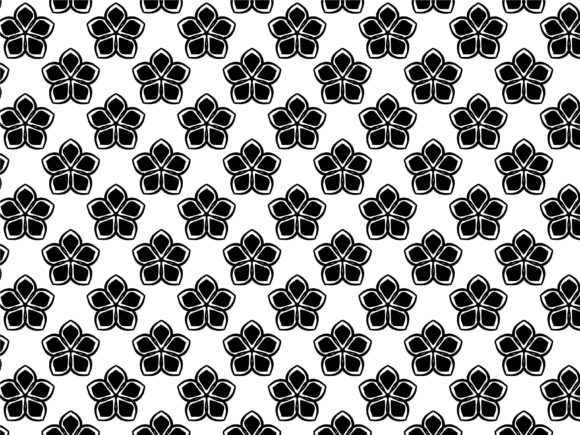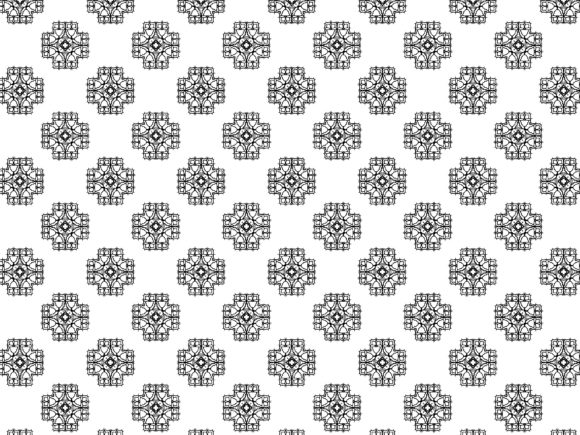
Romantic Floral Pattern: A Timeless Design Element for Modern Creativity
The Romantic Floral Pattern is more than just an aesthetic choice—it's a design language that speaks to the heart of creativity, elegance, and nostalgia. This intricate, ornate style, characterized by delicate vines, blooming flowers, and soft curves, has been a staple in art, fashion, and design for centuries. Today, it finds new life in modern applications such as book cover design, wallpaper, posters, and digital illustrations. Whether you're a professional designer or an amateur artist, the Romantic Floral Pattern offers endless possibilities for expression.
The Essence of Romantic Floral Pattern
At its core, the Romantic Floral Pattern is defined by its softness, flow, and ornamentation. It draws inspiration from the Rococo and Art Nouveau movements, where nature was celebrated in all its beauty. The motifs often include roses, peonies, lilies, ivy, and other botanical elements arranged in symmetrical or asymmetrical compositions. These patterns are not only visually appealing but also rich in symbolism—each flower carries its own meaning, making them ideal for storytelling through design.
For creators, this pattern is a versatile tool. It can be scaled up or down, adapted to different color palettes, and layered with textures to create depth. When used in book covers, it adds a sense of sophistication and allure, inviting readers to explore the narrative within. In wallpapers, it brings a calming, natural ambiance into any space. And on posters, it elevates the visual impact while maintaining a sense of refinement.
Why Romantic Floral Pattern is Making a Comeback
In recent years, there has been a noticeable shift toward natural aesthetics in design. As people seek comfort and authenticity in their surroundings, floral patterns have become increasingly popular. This trend is evident in everything from home decor to digital media. The Romantic Floral Pattern, with its elegant and timeless appeal, perfectly aligns with this movement.
Moreover, the rise of remote work and digital nomadism has led to a growing interest in personalizing digital spaces. Whether it's a laptop background, a website banner, or a social media post, users are looking for visuals that reflect their personality and values. The Romantic Floral Pattern offers a unique way to infuse these spaces with warmth and character.
Businesses and professionals are also embracing this trend. From branding materials to packaging designs, the use of floral elements helps convey a sense of trust, reliability, and approachability. It’s no wonder that many entrepreneurs and marketers are turning to Romantic Floral Patterns to differentiate their products and services in a crowded market.
Practical Applications in Creative Projects
The Romantic Floral Pattern is incredibly adaptable, making it suitable for a wide range of creative projects. Here are some practical examples of how you can incorporate it into your work:
- Book Covers: Use the pattern as a background or overlay to add visual interest without overwhelming the text. Pair it with elegant typography for a cohesive look.
- Wallpapers: Create a serene atmosphere in any room by using high-resolution floral patterns. Choose muted tones for a minimalist feel or vibrant colors for a bold statement.
- Posters: Combine the pattern with photographs, illustrations, or quotes to create eye-catching designs that resonate with a wide audience.
- Digital Illustrations: Layer the pattern with other elements like watercolor textures or hand-drawn lines to achieve a unique artistic effect.
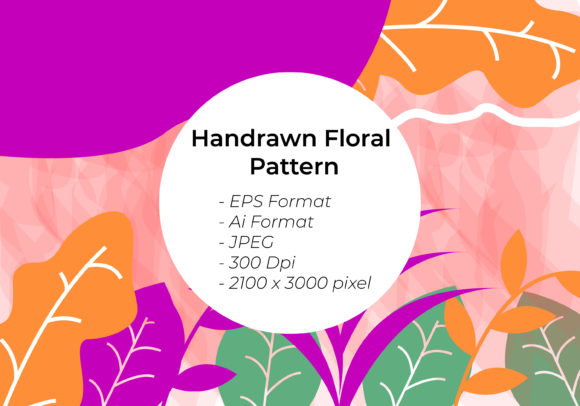
With the availability of high-quality files in formats like AI, EPS, and JPEG (2100 x 3000 pixels, RGB, 300 dpi), designers have the flexibility to use these patterns across various platforms. Whether you're working on print or digital media, the clarity and resolution ensure that your designs remain sharp and professional.
Designing with Purpose: Tips for Using Romantic Floral Pattern
While the Romantic Floral Pattern is visually stunning, it’s important to use it thoughtfully. Here are a few tips to help you make the most of this design element:
- Balance and Contrast: Avoid overcrowding your design with too much detail. Use negative space to create balance and guide the viewer’s eye.
- Color Palette: Choose a color scheme that complements the flowers in the pattern. Soft pastels, earthy tones, and metallic accents can enhance the overall look.
- Typography: Select fonts that match the elegance of the pattern. Serif fonts tend to pair well with floral designs, but sans-serif options can also work if used sparingly.
- Layering Techniques: Experiment with layering the pattern over gradients, textures, or photos to add depth and dimension.
By following these guidelines, you can ensure that your designs are both beautiful and functional. The key is to let the pattern speak while allowing other elements to shine.
Embracing the Future of Floral Design
As we move further into the digital age, the demand for high-quality, customizable design assets continues to grow. The Romantic Floral Pattern is well-positioned to meet this demand, offering a blend of tradition and innovation. Whether you're creating content for a brand, designing a personal project, or exploring new creative avenues, this pattern provides a foundation for meaningful and impactful work.
So why wait? Dive into the world of Romantic Floral Patterns and discover how they can elevate your designs. With the right tools and a little imagination, you can transform ordinary ideas into extraordinary works of art. The possibilities are endless—and the beauty is waiting to be unveiled.