Collection with Olives: A Versatile Textile Pattern for Modern Design
The Art of Olive Branches in Textile Design
The Collection with Olives brings a unique blend of nature and elegance to textile design, offering a seamless repeating pattern that captures the essence of olive branches. This intricate design is not only visually appealing but also highly functional, making it ideal for various applications such as tablecloths, fabric prints, and more. The use of olive branches as a motif is deeply rooted in cultural symbolism, representing peace, prosperity, and longevity. By integrating this meaningful imagery into textiles, designers can create pieces that resonate on both an aesthetic and symbolic level.
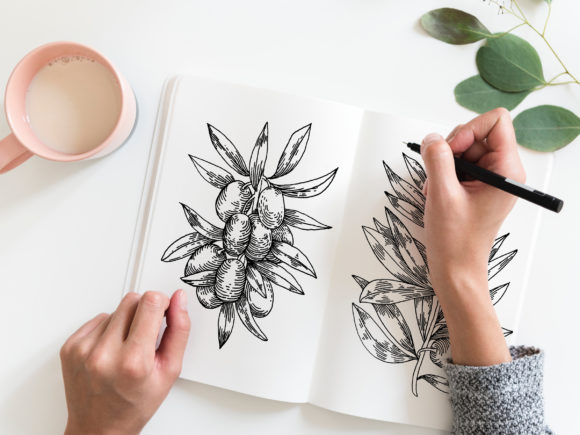
The Pattern with Olive Branches features a detailed rendering of olive leaves and branches, meticulously crafted to ensure clarity and visual appeal even when printed on large-scale surfaces. The high-resolution format (4000x4000 pixels) allows for sharp details and vibrant colors, making it suitable for both digital and physical production. Whether used for home décor, fashion, or commercial products, this pattern offers versatility and adaptability across different mediums.
Applications of the Olive Branch Pattern
The Collection with Olives is designed with multiple applications in mind. One of its most popular uses is in tablecloths, where the olive branch motif adds a touch of sophistication to dining settings. The seamless repeating pattern ensures that the design flows effortlessly across the fabric, creating a cohesive look without any visible seams or disruptions. This makes it particularly well-suited for formal events, weddings, and special occasions where attention to detail is paramount.
Additionally, the Pattern with Olive Branches is ideal for textile fabrics used in clothing and accessories. From dresses to scarves, the olive motif can be incorporated into various garment types, adding a natural and elegant flair. The high-resolution format ensures that the pattern remains crisp and clear, even when scaled down for smaller items like handbags or jewelry pouches.
For those interested in interior design, the Collection with Olives can be used in upholstery, curtains, and wall coverings. The rich textures and colors of the olive branches complement a wide range of color palettes, making it easy to integrate into existing décor schemes. The versatility of this pattern allows it to be adapted to both traditional and contemporary styles, ensuring that it remains relevant across different design trends.
Technical Specifications and Format Options
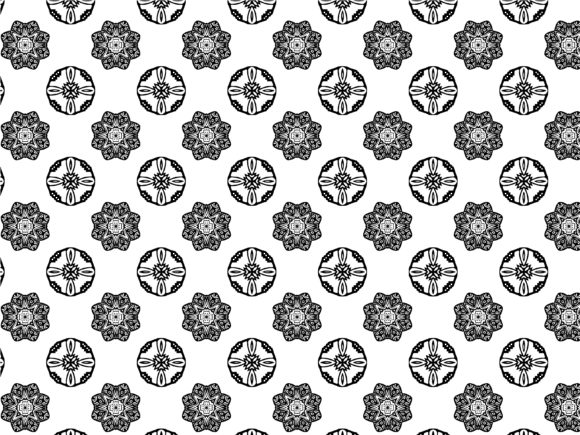
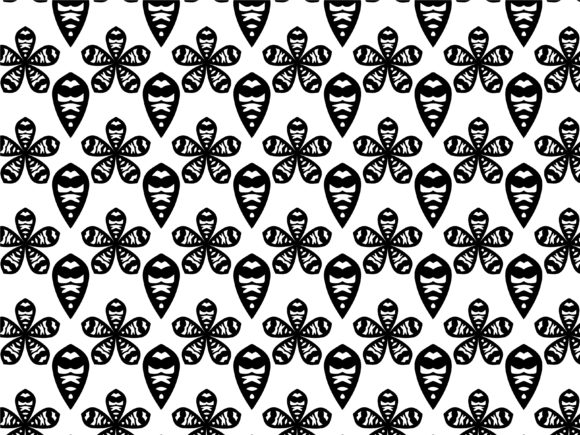
The Collection with Olives comes with four distinct patterns, each available in PSD, PNG, and JPG formats at a resolution of 600dpi. This high-resolution capability ensures that the patterns are suitable for both print and digital use, providing exceptional clarity and detail. The PSD format is particularly useful for designers who wish to edit the patterns further, allowing for layer adjustments, color changes, and additional elements to be incorporated seamlessly.
The Pattern with Olive Branches is optimized for scalability, meaning that it can be resized without losing quality. This is especially important for large-format printing applications, such as banners, signage, or decorative wall art. The ability to maintain image integrity at different sizes enhances the usability of the collection, making it a valuable resource for professionals in the design and textile industries.
Each pattern within the Collection with Olives is carefully crafted to ensure that it repeats seamlessly, eliminating any visible breaks or overlaps in the design. This attention to detail is crucial for achieving a professional finish, whether the pattern is applied to fabric, paper, or digital media. The availability of multiple formats also allows for flexibility in how the patterns are used, catering to the needs of different projects and industries.
Design Considerations and Best Practices
When incorporating the Collection with Olives into a design project, it is essential to consider the context in which the pattern will be used. For example, the choice of background color can significantly impact the overall appearance of the pattern. Lighter backgrounds tend to highlight the details of the olive branches, while darker backgrounds create a more dramatic effect. Experimenting with different color combinations can help achieve the desired visual outcome.
Another important consideration is the Pattern with Olive Branches’s compatibility with other design elements. When using this pattern in conjunction with text or other graphics, it is advisable to ensure that there is sufficient contrast between the pattern and the surrounding elements. This helps prevent the pattern from becoming overwhelming or difficult to read, especially in cases where the design includes a lot of visual information.
For those working with glass bottles for olive oil, the Collection with Olives can be adapted to create packaging that reflects the product’s natural origins. The olive branch motif can be subtly integrated into the design of labels, bottles, or promotional materials, reinforcing the connection between the product and its source. This not only enhances the visual appeal of the packaging but also communicates a sense of authenticity and quality.
Cultural Significance and Symbolism
The olive branch has long been associated with peace, wisdom, and fertility in various cultures throughout history. In ancient Greece, the olive tree was considered sacred, and the olive branch was a symbol of victory and honor. This rich symbolism adds depth to the Collection with Olives, making it more than just a decorative element—it becomes a representation of enduring values and traditions.
Incorporating the Pattern with Olive Branches into textile designs allows for a subtle nod to these historical associations, creating pieces that carry both aesthetic and cultural significance. This can be particularly appealing to consumers who appreciate designs with deeper meanings and connections to heritage. For educators and researchers, the pattern also serves as a valuable tool for exploring themes related to symbolism, history, and cultural identity in design.
Moreover, the Collection with Olives can be used in educational settings to teach students about the intersection of art, culture, and design. By analyzing the symbolism behind the olive branch and its application in textile patterns, learners can gain a greater appreciation for the role of cultural motifs in creative expression. This makes the collection a versatile resource for both academic and professional pursuits.
Conclusion
The Collection with Olives represents a thoughtful integration of natural imagery and modern design principles, offering a versatile solution for a wide range of applications. Whether used in textiles, packaging, or digital media, the Pattern with Olive Branches provides a unique opportunity to incorporate meaningful symbolism into everyday objects. Its high-resolution format, multiple file types, and seamless repetition make it an invaluable asset for designers, creators, and businesses seeking to elevate their projects with a touch of elegance and cultural depth.