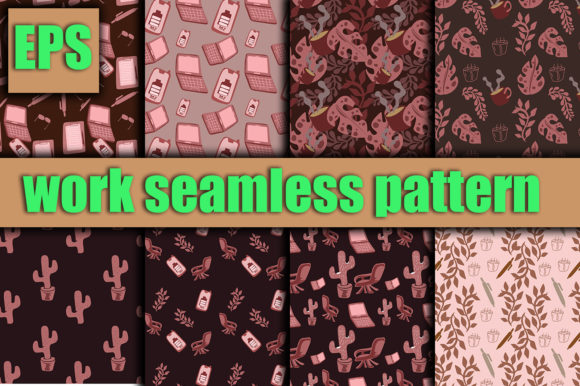
Work Pattern Design with Softcolor: A Modern Approach to Professional Aesthetics
In the realm of professional attire and design, Work Pattern Design with Softcolor has emerged as a versatile and contemporary solution. This design approach blends functionality with subtle elegance, making it ideal for professionals across various industries. Whether you're in healthcare, aviation, or office environments, understanding what Work Pattern Design with Softcolor entails can help you make informed choices that align with both comfort and style.
Understanding Work Pattern Design with Softcolor
Work Pattern Design with Softcolor refers to the use of muted, non-distracting colors and structured patterns tailored for work environments. Unlike bold or bright patterns, softcolor designs offer a more subdued aesthetic that enhances readability and reduces visual fatigue, particularly in high-stress or detail-oriented settings.
The term work pattern itself denotes a recurring structure or sequence used in occupational contexts. In design, this translates to consistent visual motifs that are easy on the eyes while maintaining a professional appearance. When combined with softcolor, the result is a harmonious blend that supports productivity without compromising on visual appeal.
Key Features of Work Pattern Design with Softcolor
- Subtle Color Palette: Utilizes hues like beige, gray, light blue, and muted greens, which are less likely to cause glare or distraction.
- Structured Patterns: Incorporates geometric or minimalistic designs that add texture without overwhelming the viewer.
- Functional Aesthetics: Designed with ergonomics and practicality in mind, ensuring that clothing or accessories remain comfortable throughout long work hours.
For instance, work apron pattern designs often benefit from softcolor schemes, as they provide a clean backdrop for tools and equipment while remaining visually unobtrusive. Similarly, work boot pattern designs may integrate softcolor elements to enhance visibility in low-light conditions without drawing unnecessary attention.
Comparing Work Pattern Design with Softcolor to Other Approaches
While Work Pattern Design with Softcolor offers distinct advantages, it's important to compare it with other styles and approaches to determine the best fit for your needs.
Traditional Bold Patterns: These are often used in creative fields or casual work environments but may be too distracting for settings requiring focus and precision. Softcolor alternatives provide a middle ground, offering some visual interest without the potential for distraction.
Monochromatic Designs: While these are highly versatile and easy to coordinate, they can sometimes appear flat or uninspiring. Work Pattern Design with Softcolor introduces subtle variation through texture and pattern without sacrificing simplicity.
High-Contrast Colors: Though effective for visibility, such as in safety gear, high-contrast color combinations can be harsh on the eyes over extended periods. Softcolor patterns mitigate this by using gentle gradients and balanced tones.
Best-Fit Situations for Work Pattern Design with Softcolor
Work Pattern Design with Softcolor is particularly well-suited for environments where visual clarity and comfort are paramount. Here are some scenarios where this design choice shines:
- Healthcare Professionals: Nurses, doctors, and other medical staff often require uniforms that are both functional and easy to maintain. Softcolor patterns can reduce eye strain during long shifts.
- Office Workers: Employees in corporate or administrative roles may appreciate the understated sophistication of softcolor work patterns, which convey professionalism without being overly formal.
- Aviation Industry: Pilots and cabin crew members need attire that is both safe and stylish. Softcolor patterns in work cap pattern or work dress pattern designs can meet these dual requirements effectively.
Additionally, Work Pattern Design with Softcolor is beneficial for those seeking work pattern calculator tools or work pattern app solutions that help manage shift schedules or track productivity metrics. The design’s neutrality makes it adaptable to various digital interfaces and wearable technology.
Considerations and Limitations
While Work Pattern Design with Softcolor offers many benefits, it's not without its limitations. One consideration is that it may not be suitable for all industries or personal preferences. For example, individuals working in creative or artistic fields might find softcolor patterns too restrained compared to more vibrant or dynamic designs.
Another factor to consider is the availability of resources. Finding work pattern eps file or work pattern definition materials that incorporate softcolor may require more specialized suppliers or designers. However, as demand grows, so does the range of options available in the market.
Lastly, Work Pattern Design with Softcolor may not be the best choice for those needing maximum visibility, such as in construction or emergency services. In these cases, high-visibility (hi-vis) gear with contrasting colors is typically required for safety reasons.
Conclusion
Work Pattern Design with Softcolor represents a thoughtful approach to professional attire that balances aesthetics with functionality. Its ability to reduce visual fatigue, enhance readability, and support a wide range of industries makes it a compelling option for many professionals. However, it's essential to evaluate your specific needs and environment before committing to this design choice.
By considering factors such as industry standards, personal preference, and the availability of resources, you can determine whether Work Pattern Design with Softcolor is the right fit for your workwear needs. Ultimately, the goal is to create an environment where comfort, efficiency, and style coexist seamlessly.